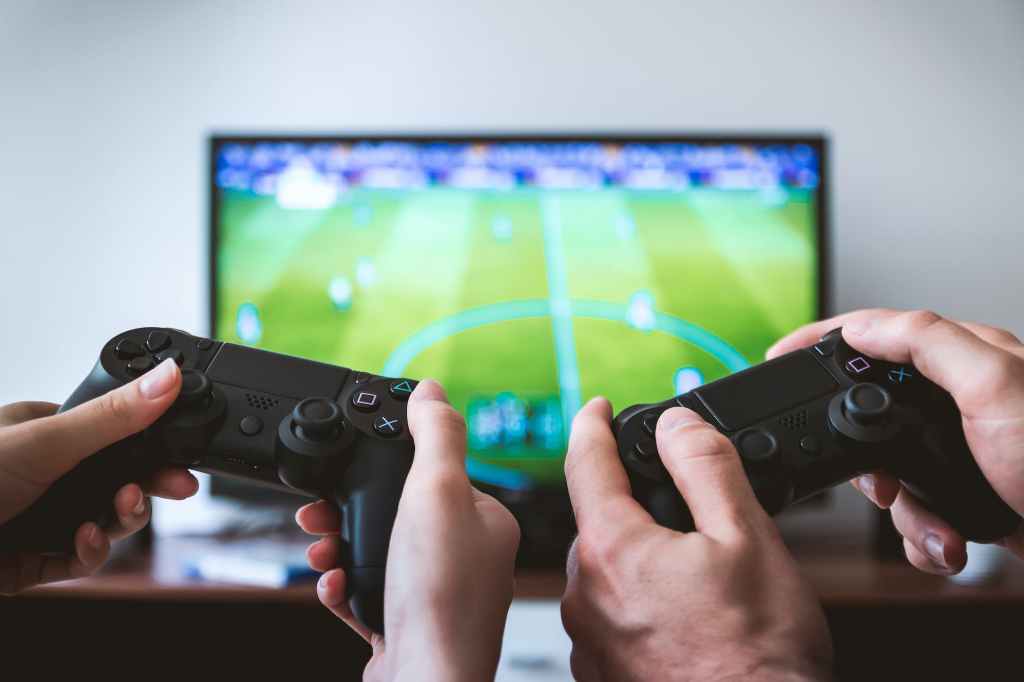
Gaming has become an integral part of many people’s lives, with millions of individuals across the globe engaging in this popular form of entertainment. However, some people may wonder if gaming is truly important in life or if it is simply a waste of time. In this article, we will explore the benefits and significance of gaming and why it plays a significant role in our lives.
First and foremost, gaming fosters social interaction and connection. With the advent of online gaming, players can engage with people from different parts of the world, collaborate with teammates, and form friendships. Gaming communities often provide a sense of belongingness and camaraderie, offering a space for individuals to connect and share their passion for gaming. In a society that is becoming increasingly digital and isolated, gaming can serve as a valuable platform for social interaction and building relationships.
Additionally, gaming promotes problem-solving and critical thinking skills. Many games require players to strategize, make quick decisions, and adapt to ever-changing scenarios. These cognitive skills can transfer to real-life situations, helping individuals think analytically, creatively, and act decisively. Furthermore, certain games incorporate puzzles and challenges that stimulate the brain, enhancing cognitive abilities and memory retention.
Moreover, gaming can serve as a source of stress relief and relaxation. Engaging in a game after a long day at work or during a break allows individuals to unwind and escape from the pressures of daily life. It provides an opportunity to enter a different world, immerse oneself in captivating storylines, and forget about real-world concerns for a while. This mental break can have positive effects on overall well-being, promoting mental and emotional balance.
Gaming also has the potential to teach valuable life skills. Many games require teamwork, coordination, and communication, which are vital skills in professional and personal settings. Through cooperative gameplay, players learn to work together, delegate tasks, and effectively communicate with others. Additionally, some games incorporate financial management systems, stimulating players to develop budgeting and resource allocation skills.
Furthermore, gaming has proven to be an effective educational tool. Educational games and simulations can teach various subjects such as mathematics, science, history, and language skills in an interactive and engaging manner. This gamification of learning appeals to individuals of all ages, making education fun and memorable.
However, it is worth mentioning that moderation is key when it comes to gaming. Excessive gaming can have negative consequences, such as addiction, decreased physical activity, and neglecting other important aspects of life. It is crucial to maintain a healthy balance between gaming and other responsibilities, such as work, relationships, and physical well-being.
In conclusion, gaming is an important and valuable part of life for many individuals. It offers social interaction, enhances cognitive skills, provides stress relief, teaches useful life skills, and can even be used as an educational tool. However, it is essential to approach gaming responsibly and in moderation. So, the next time someone questions the importance of gaming in life, you can confidently affirm its significance and the positive impact it can have on individuals.

 FRESH BUZZ NEWS